Romsey’s Abandoned Brewery Site – A Lingering Eyesore in Need of Revival
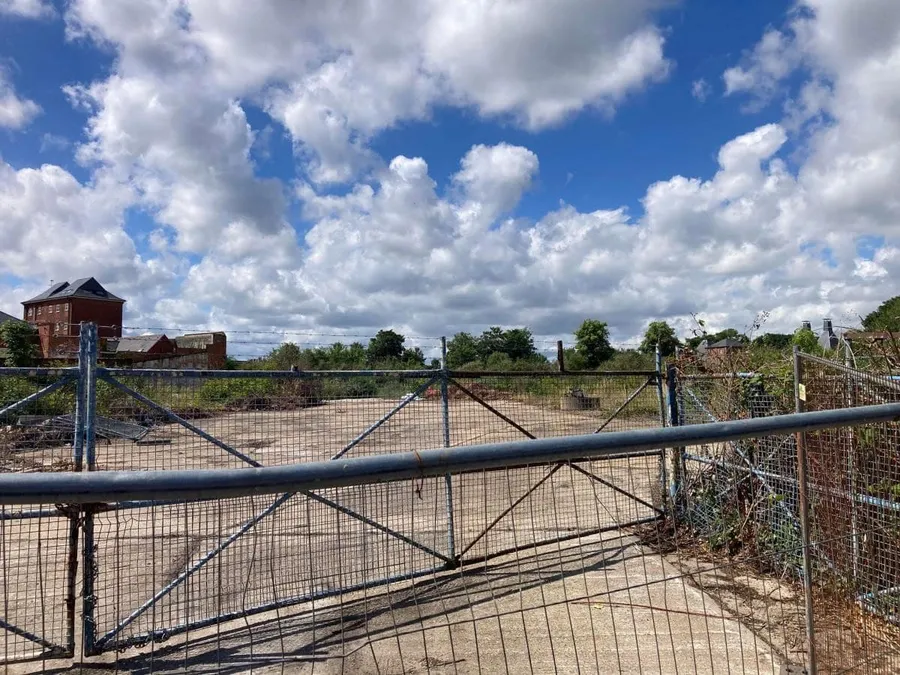
The old brewery site in Romsey has long been a sore spot for locals, sitting idle like a forgotten relic in the heart of this charming Hampshire town. A recent reader’s letter in the Daily Echo, penned by Sophie Harborne, a Lib Dem candidate, calls it a outright disgrace, an eyesore that’s lingered undeveloped for decades while green spaces around the area face the threat of new builds.
She points out the irony: politicians keep promising a ‘brownfield first’ approach, yet this prime spot rots away amid a housing shortage. It’s a sentiment that resonates, especially as Romsey grapples with growth pressures, and many see it as a missed chance to boost the community without sprawling into the countryside.
Digging into the past, the site traces back to the Horsefair Brewery, established around 1778 on land that had seen brewing activity even earlier.
By the mid-1800s, Thomas Strong took over, leasing it in 1858 and eventually buying it outright in 1883, renaming it Strong’s Brewery. Under his watch, and later David Faber’s from 1886, it grew into Strong & Co of Romsey, a regional powerhouse churning out ales that locals fondly recall.
The company went public in 1894, snapping up pubs and expanding until Whitbread scooped it up in 1969, complete with nearly a thousand tied houses. Brewing wound down by 1981, with partial demolition following soon after, leaving the site largely vacant since the late 1980s.
Image: Redeveloped Horsefair Tower © Copyright Chris Talbot
The company went public in 1894, snapping up pubs and expanding until Whitbread scooped it up in 1969, complete with nearly a thousand tied houses. Brewing wound down by 1981, with partial demolition following soon after, leaving the site largely vacant since the late 1980s.
So why the hold-up? Plans for redevelopment kicked off years ago, with approval in 2006 for Stanborough Developments to build over 200 homes on the spot. Yet, nearly two decades later, only a handful, around 13 units, have materialised, leaving the rest a crumbling wasteland. Frustration boils over in reports from the Hampshire Chronicle, where locals and officials lament the stagnation.
Key culprits include planning glitches, like a 2018 appeal blunder that stalled progress further, and what seems like developer inertia. A 2004 council document already flagged doubts over the landowner’s commitment, hinting at deeper issues, perhaps legal tangles or economic shifts that made the project unappealing.
Caroline Nokes, the local MP, has repeatedly raised it in Parliament, urging stronger powers to compel action on such sites. Without that, it drifts on, a symbol of bureaucratic red tape in a town crying out for sensible growth.
This limbo feels like a real lost opportunity for Romsey, a small town with a rich history tied to the River Test and its market vibes. Redeveloping the brewery could inject life into the centre, providing much-needed housing without nibbling at precious fields. Imagine affordable flats or family homes drawing in young folk, supporting local shops, and easing the strain on infrastructure elsewhere.
Instead, it’s a daily reminder of unkept promises, as Harborne puts it, where words outpace deeds. With a new government in place, there’s fresh hope for intervention, maybe through a task force to kickstart brownfield projects.
Romsey deserves better; turning this eyesore into something vibrant could honour its brewing heritage while looking to the future. After all, in a place this quaint, every bit of land counts for keeping the community thriving.